

 Body aesthetics
Waxing
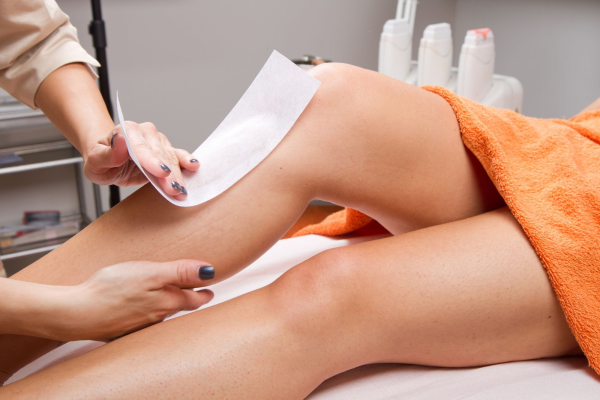
Waxing is an effective procedure for removing unwanted hair, in which warm or hot wax is used to pull hairs out by the root. Unlike shaving, which removes only the visible part of the hair, waxing keeps the skin smooth for longer and helps maintain a well-groomed appearance for several weeks. The procedure is suitable for various areas of the face and body, including the legs, arms, underarms, bikini area, back and face. Professionally performed waxing removes unwanted hair effectively, with the type of wax and technique tailored to your skin sensitivity and individual needs.
Price from €10
Book your appointment- Long-lasting smooth and soft skin
- Removing hairs by the root helps keep the skin smooth for longer than shaving.
- Effective hair removal on various body areas
- Waxing allows unwanted hair to be removed precisely from both small and larger areas of the body.
- Well-groomed skin and longer-lasting comfort
- Regular waxing helps maintain smooth skin and reduces the need for daily shaving.
Four steps to smoother, well-groomed skin
How is waxing performed?
-
01
Skin assessment
Before the procedure, the specialist assesses your skin condition, hair length and the chosen treatment area. Skin sensitivity, possible contraindications and any previous experience with waxing are discussed.
-
02
Skin preparation
The treatment area is cleansed and prepared for wax application. The specialist selects a suitable warm or hot wax, taking into account your skin sensitivity and hair characteristics.
-
03
Hair removal with wax
Wax heated to a suitable temperature is applied to the skin, coating the hairs. The wax is then removed with a precise movement, pulling the hairs out by the root. The process is repeated until the selected area has been treated.
-
04
Soothing and skin care
After waxing, any wax residue is removed and a soothing product suited to your skin is applied. The specialist provides aftercare recommendations to help reduce the risk of irritation and ingrown hairs.
 Personalised approach
Supervised waxing plan
Every waxing course is planned and supervised by our specialist and tailored to your goals and body.
Book this service
We will contact you within 2 working days.
Frequently asked questions about waxing
What is waxing and how does it work?
Waxing is a hair removal procedure in which warm or hot wax is applied to the skin. The wax coats the hairs and, when removed, pulls them out by the root. As a result, the skin becomes smooth and hair takes longer to grow back than after shaving.
What does the waxing procedure involve?
Before waxing, the specialist assesses your skin condition and cleanses the treatment area. Wax heated to a suitable temperature is then applied to the skin and removed together with the hairs using the appropriate technique. At the end of the procedure, a soothing care product is applied to the skin to reduce possible irritation.
Is waxing painful?
Waxing may cause brief pain or discomfort, as the hairs are pulled out by the root. The intensity of the sensation depends on the treatment area, skin sensitivity and your individual pain threshold. With regular waxing, some clients find the procedure becomes more comfortable.
How long does skin stay smooth after waxing?
After waxing, the skin usually stays smooth for about 3–4 weeks, although results vary from person to person. They are influenced by the hair growth cycle, hormonal factors and the body area treated. To maintain smooth skin, regular waxing is recommended.
How long should hair be before waxing?
For the wax to grip the hairs effectively, they should usually be about 4–6 mm long. Hairs that are too short can be harder to remove, while excessively long hairs may increase discomfort during the procedure. If you are unsure about the most suitable hair length, please consult a specialist before the procedure.
How should I prepare for waxing?
Before waxing, it is advisable to avoid intensive sun exposure and procedures that irritate the skin. On the day of the procedure, your skin should be clean and dry, free of oily creams or other products that may prevent the wax from adhering to the hairs. If you use retinoids or other medications that increase skin sensitivity, please inform the specialist before waxing.
Does hair grow back thinner after waxing?
With regular waxing, some clients find that regrown hair seems softer or sparser. However, this effect is not guaranteed, as hair thickness and growth rate are influenced by genetic and hormonal factors. Waxing is not a permanent hair removal method.
Can waxing cause ingrown hairs?
Yes, ingrown hairs can occur after waxing in some cases, especially in areas exposed to increased friction or where hair is curly. To reduce the risk of ingrown hairs, gentle skin care and appropriate moisturising are important. Once the initial skin sensitivity has subsided, the specialist may also recommend gentle exfoliation.
How should I care for my skin after waxing?
For the first 24–48 hours after waxing, it is advisable to avoid hot baths, saunas, intensive exercise and skin-irritating cosmetic products. Protect the treated area from friction, intense sun exposure and excessive heat. To keep your skin comfortable, use gentle moisturising products.
When should waxing be avoided?
Waxing is not performed on skin with open wounds, burns, active infections or marked inflammation. Particular caution is required for very sensitive or fragile skin, as well as if you are taking certain medications, including isotretinoin or topical retinoids, which may increase the risk of skin damage. Before the procedure, the specialist will assess any possible contraindications.
Is waxing suitable for sensitive skin?
In some cases, waxing can also be performed on sensitive skin by choosing a suitable type of wax and procedure technique. However, sensitive skin may react more strongly with redness, irritation or discomfort. If you have marked skin sensitivity, allergies or dermatological conditions, an individual assessment is recommended before the procedure.
How does waxing differ from laser hair removal?
Waxing mechanically removes hairs together with the root, providing temporarily smooth skin, whereas in laser hair removal light energy acts on the hair follicles to reduce hair growth in the long term. Waxing gives immediate results without the need for equipment, but the procedure must be repeated regularly. The most suitable hair removal method depends on your skin type, hair characteristics and desired result.
Team
Specialists who perform this service

Waxing prices
Full price listWaxing
Related services
Complete your result
Further services for a better result.


